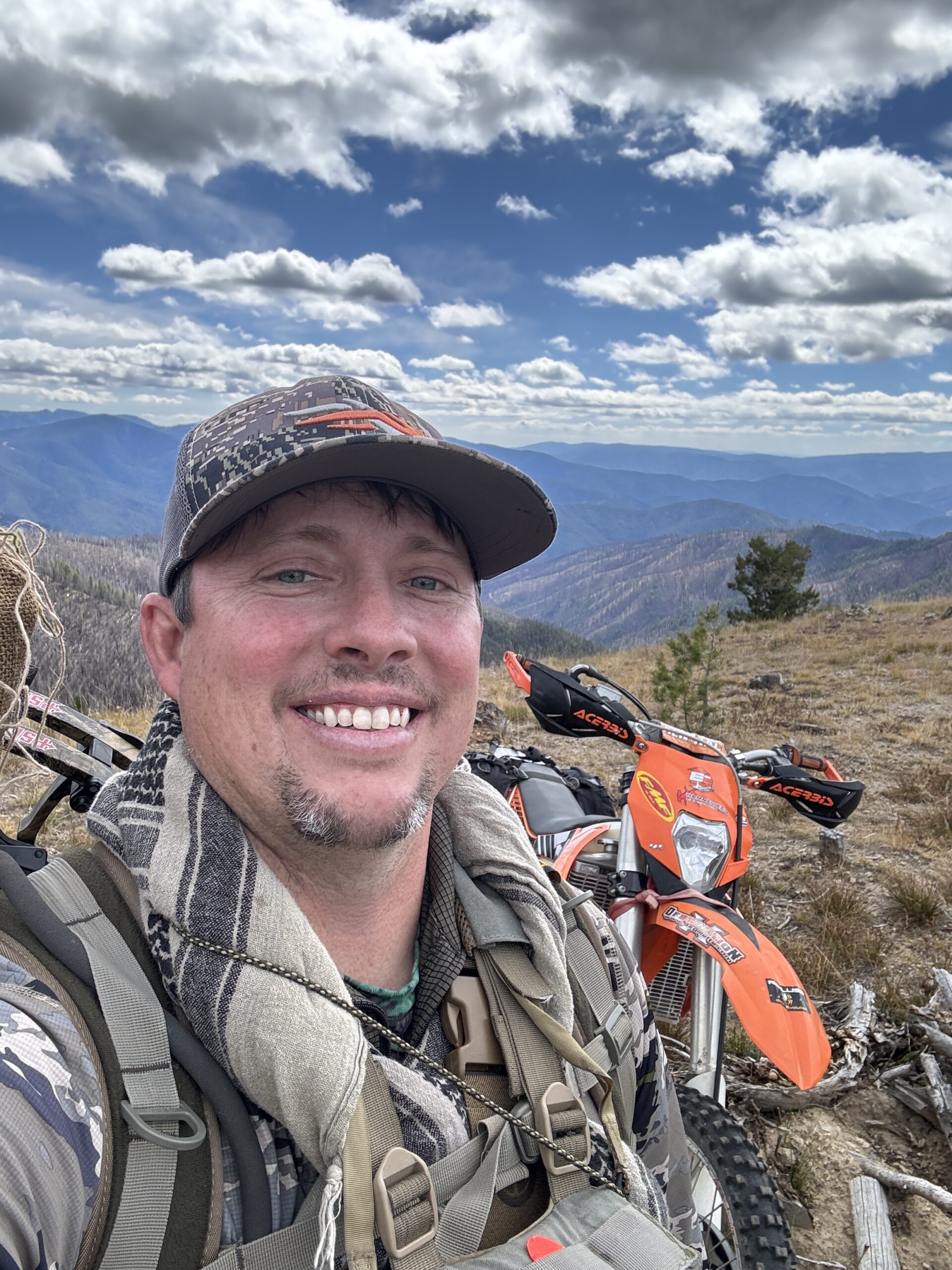
Lewis is a firefighter with the Bozeman Fire Department and co-founder of 406 Paragliding, a Montana-based paragliding school built around patience, preparation, and respect for the elements. What began as a lifelong curiosity about flight became a calling that now shapes how he approaches risk, focus, and life itself.
In this conversation, Lewis shares how paragliding demands complete presence, how Montana’s weather shapes the sport, and why flying has become one of the most grounding experiences in his life.
Listen on:
YouTube
Spotify
Apple Podcasts
The Gift of Flight
Lewis describes paragliding as one of the purest forms of freedom he has experienced. Powered only by wind, sun, and terrain, free flight strips away distraction and forces the pilot into the present moment.
From short, ten-second training flights to multi-hour journeys riding invisible thermals, every flight requires focus, humility, and trust in both training and instinct. Even brief moments off the ground can feel transformative.
Training, Risk, and Responsibility
Paragliding carries real risk, which is why training is approached slowly and intentionally at 406 Paragliding. Students begin with ground school, learning how to control the wing, read conditions, and understand safety before ever leaving the ground.
Progression is individualized and weather-dependent. Rather than rushing certification, the goal is competence, awareness, and confidence built over time. Some people advance quickly, others more gradually, and some discover the sport simply isn’t for them.
Montana Conditions and the Long Game
Flying in Montana presents unique challenges. Thermals are stronger, conditions are less predictable, and long flights are harder to string together than in coastal or desert environments.
These variables demand patience and decision-making. A successful flight is not defined by airtime alone, but by knowing when not to fly. That restraint, Lewis explains, is one of the most important skills a pilot develops.
Firefighting, Focus, and Flow
Lewis draws clear parallels between paragliding and firefighting. Both require calm under pressure, situational awareness, and the ability to enter a flow state where distractions disappear.
After long shifts responding to emergencies, flying becomes a way to reset mentally. The moment a paraglider leaves the ground, there is no room for outside worries. The only task is making good decisions, moment by moment.
Living in the Moment
Perhaps the biggest lesson paragliding has taught Lewis is how to stay present. In a world driven by goals and constant motion, flight demands attention to what is happening right now.
It is not about the destination or the length of the flight, but about reading the air, listening to the body, and responding to the environment. That mindset, he believes, carries far beyond the sport itself.
To learn more about 406 Paragliding and training opportunities, visit 406paragliding.com.
To learn more about Mountain Mule Media and upcoming episodes, visit www.mountain-mule.com.
Mountain Mule Media is a production of Mountain Mule Transportation, connecting Montana businesses through authentic storytelling.
