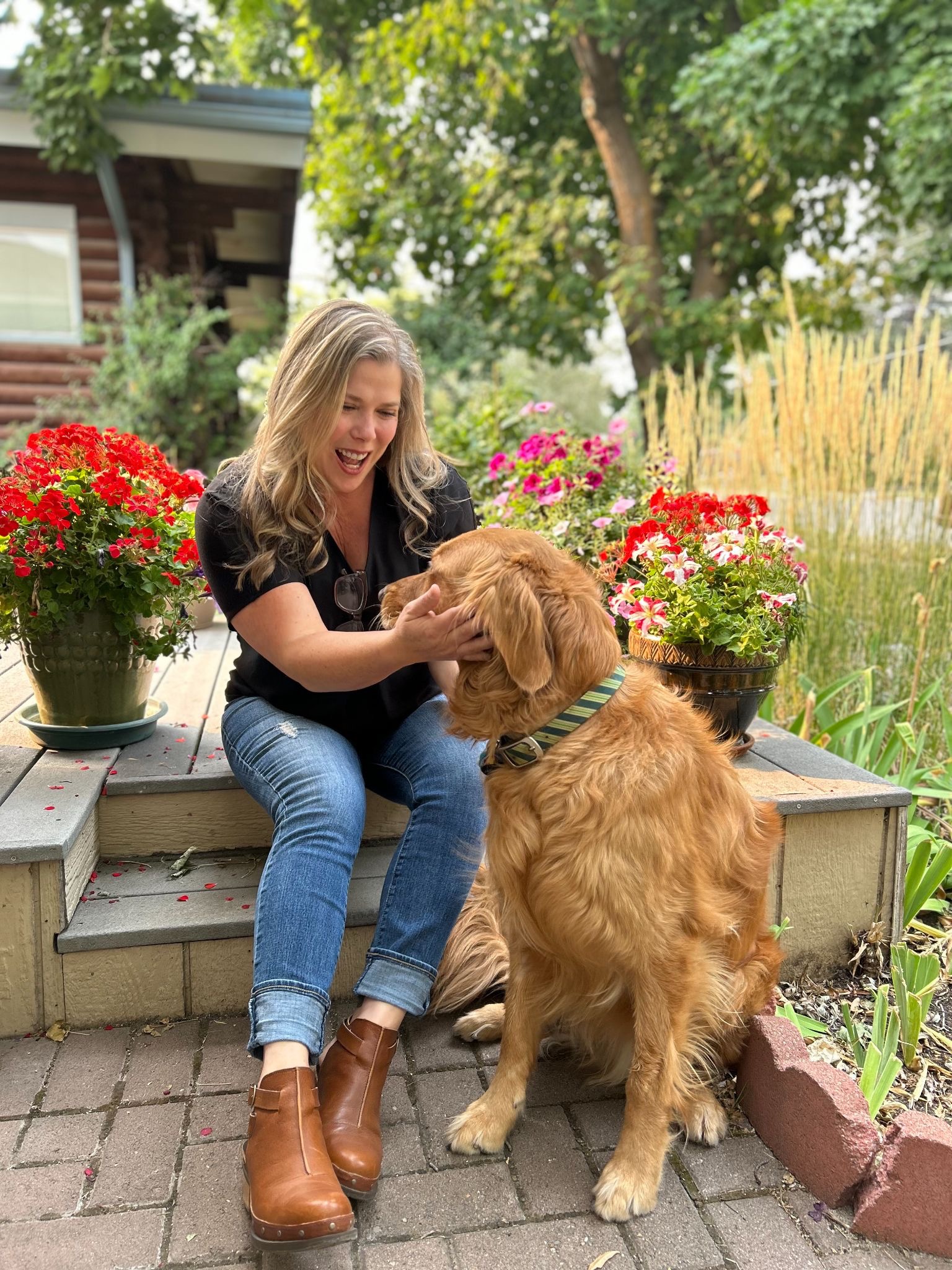
Big Brothers Big Sisters of Big Sky Country has been serving Montana families for decades, creating meaningful one-to-one mentoring relationships that can change the course of a child’s life. In this episode of Mountain Mule Media, Amy Crees shares how the organization matches caring adults with kids who can benefit from an extra steady presence in their lives, and why something as simple as showing up consistently can create a ripple effect that reaches far beyond one child.
Listen on:
YouTube
Spotify
Apple Podcasts
What Big Brothers Big Sisters of Big Sky Country Does
Big Brothers Big Sisters has been around nationally for more than 100 years, and the Big Sky Country chapter has been serving this region for more than 50 years. At its core, the organization is built around one-to-one mentorship.
Adults in the community, known as Bigs, are matched with children, known as Littles, between the ages of 5 and 18. Those matches are made thoughtfully, based on personality, interests, availability, and the kind of support a child might need. The goal is simple, but powerful: build a stable, caring relationship that helps a young person feel seen, supported, and encouraged.
The commitment is intentionally manageable. Bigs and Littles are asked to spend around four to six hours a month together, with the hope that they stay matched for at least a year. That consistency matters. It gives the child something many of them deeply need, a dependable adult who keeps showing up.
More Than Just a Match
One of the most important things Amy explains is that Big Brothers Big Sisters is not a program where people are matched and then left on their own. There is a full support structure around every match.
Prospective Bigs go through an extensive application, interview, training, and background check process. Parent guardians are interviewed. Littles are interviewed. The organization is intentional about finding a fit that works well for everyone involved.
Once a match is made, there is still ongoing support. Match support specialists check in regularly with the Big, the Little, and the parent guardian. That support helps with communication, boundaries, activity ideas, and anything else that might come up as the relationship develops.
That system is part of what makes the program so effective. It is not just about good intentions. It is about creating real structure around a relationship that can grow over time.
Why Mentorship Matters
This conversation makes it clear that mentorship is not about having all the answers. It is not about being perfect, and it is not about being some kind of expert. It is about being present.
Amy talks about how often people hesitate to become a Big because they think they are not qualified, or because they assume they need to be able to solve a child’s life. That is not the job. The real work is much simpler and much deeper than that. It is about consistency, trust, and the willingness to spend time with a child and let them know they matter.
That kind of relationship can change a child’s confidence, expand their view of what is possible, and give them a model of support they may not otherwise have. It can also affect a child’s family, their classroom, their future earning potential, and the way they eventually show up in their own community.
The Ripple Effect of a Single Relationship
One of the strongest themes in this episode is that mentorship does not just affect one child. It creates a ripple effect.
Amy shares stories about kids who gained confidence, discovered new interests, got help with practical life steps like earning a driver’s license or applying for college, and even changed the way they saw their own future. She also talks about the impact these relationships can have on families, and on the mentors themselves.
That is one of the most powerful things about this kind of work. A mentor may go into it thinking they are there to help a child, but they often come away changed too. Their perspective shifts. Their priorities shift. Their connection to the community gets stronger.
That ripple effect is one reason Big Brothers Big Sisters matters so much. It is not just about one match. It is about building a stronger community over time.
A Montana Approach to Mentorship
Big Brothers Big Sisters of Big Sky Country serves a massive geographic area, covering multiple counties and many different communities. That presents some unique challenges, especially in a state like Montana where distance alone can become a barrier.
Still, the organization continues to find ways to create meaningful opportunities. In addition to traditional community-based matches, they also have site-based programming in places like Ennis, Big Sky, and Livingston, where older students are matched with younger students during the school day.
They have also created events and experiences that feel uniquely Montana. One of the most memorable examples Amy shares is a guided elk hunt for Littles, where a young person not only had an unforgettable experience, but also brought home meat that filled the family freezer. That kind of opportunity can leave a lasting mark on a child’s confidence and sense of contribution.
There is also their annual fly fishing fundraiser in Livingston, another event that feels rooted in this place and its culture while directly supporting the mission of mentorship.
Why This Work Feels So Personal
Amy’s connection to this work is personal. Before she worked for the organization, she had been a Big herself. Before that, she had spent much of her life working with kids in different capacities, from schools to preschool settings to support roles for children who needed extra help.
Her own life has also been shaped by mentors. That comes through clearly in the way she talks about the program. There is a real understanding that a single person showing up at the right time can change everything.
That perspective gives the episode a lot of heart. This is not a distant organizational pitch. It is a conversation about what really happens when adults invest in kids, and why those investments matter so much more than most people realize.
How to Support Big Brothers Big Sisters of Big Sky Country
There are several ways to support the organization. https://bbbs-bigskycountry.org/
The most obvious is to become a Big. Adults, couples, and even families can all get involved in different ways. The need is especially strong for Big Brothers and for matches that can support boys who are waiting.
Support also looks like participating in fundraising events, sponsoring those events, donating auction or raffle items, volunteering, or simply helping spread the word. Businesses can also partner in creative ways, whether that is through event support, hosting a match activity, or inviting Amy to come speak to their team.
Sometimes support is not a check. Sometimes it is a conversation, an introduction, a shared story, or an opportunity that opens another door.
A Community Gets Stronger When Kids Do
One of the biggest takeaways from this episode is that mentorship is not some extra nice thing a community does when it has time. It is foundational work.
If kids are supported, encouraged, and connected to caring adults early in life, the effects show up later in stronger families, healthier communities, and more stable futures. That is true in personal stories, and it is true in the data.
Big Brothers Big Sisters of Big Sky Country is doing work that may look simple on the surface, but the long-term impact is anything but small. It is one of those things that quietly makes a community stronger from the inside out.
Big Brothers Big Sisters of Big Sky Country is one more example of the kind of organization that helps make Montana communities better. Mountain Mule Media is a production of Mountain Mule Transportation, a private luxury chauffeur service based in Southwest Montana. Starting in spring 2026, Mountain Mule is also offering Yellowstone National Park guided tours, in addition to airport transportation, weddings, private events, and custom transportation throughout the region. To learn more, visit mountain-mule.com.


